News & Event
Explore industry insights, technical knowledge and the latest undates from our exnerts
Our latest news and events
Here you can get our latest information and better understand our trends and activities.
15 Sep 2026, Tue
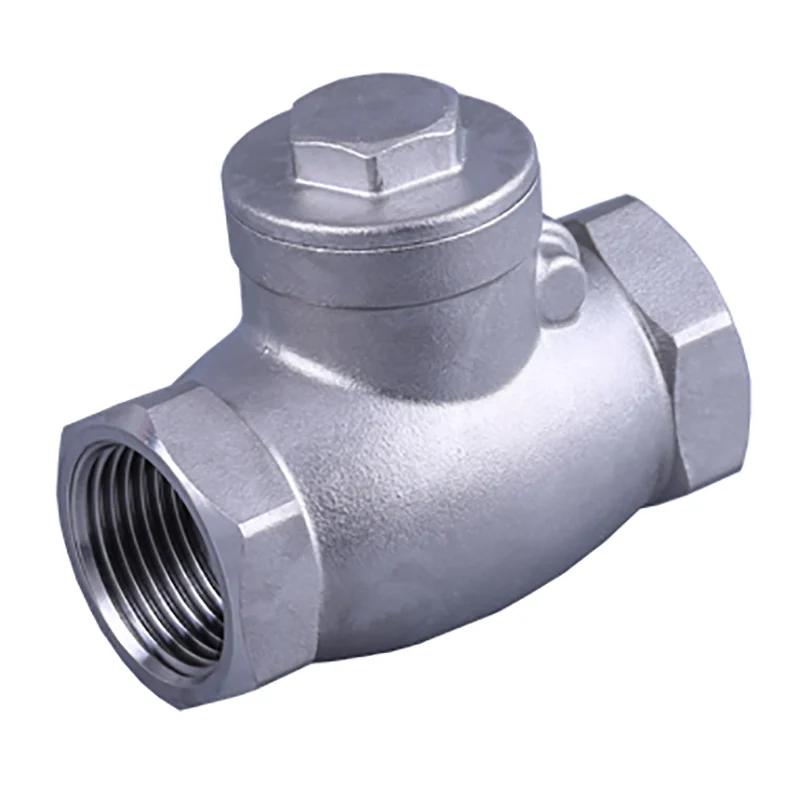
Check valves are critical components in pipeline, industrial, and process systems. In the oil and gas industry, they are essential for maintaining well integrity, protecting pumps and compressors, and ensuring the safety of personnel and the environment. From wellheads and pipelines to processing plants and storage and transportation systems, these valves play a pivotal role in ensuring energy security and efficient transport.
20 Aug 2026, Thu
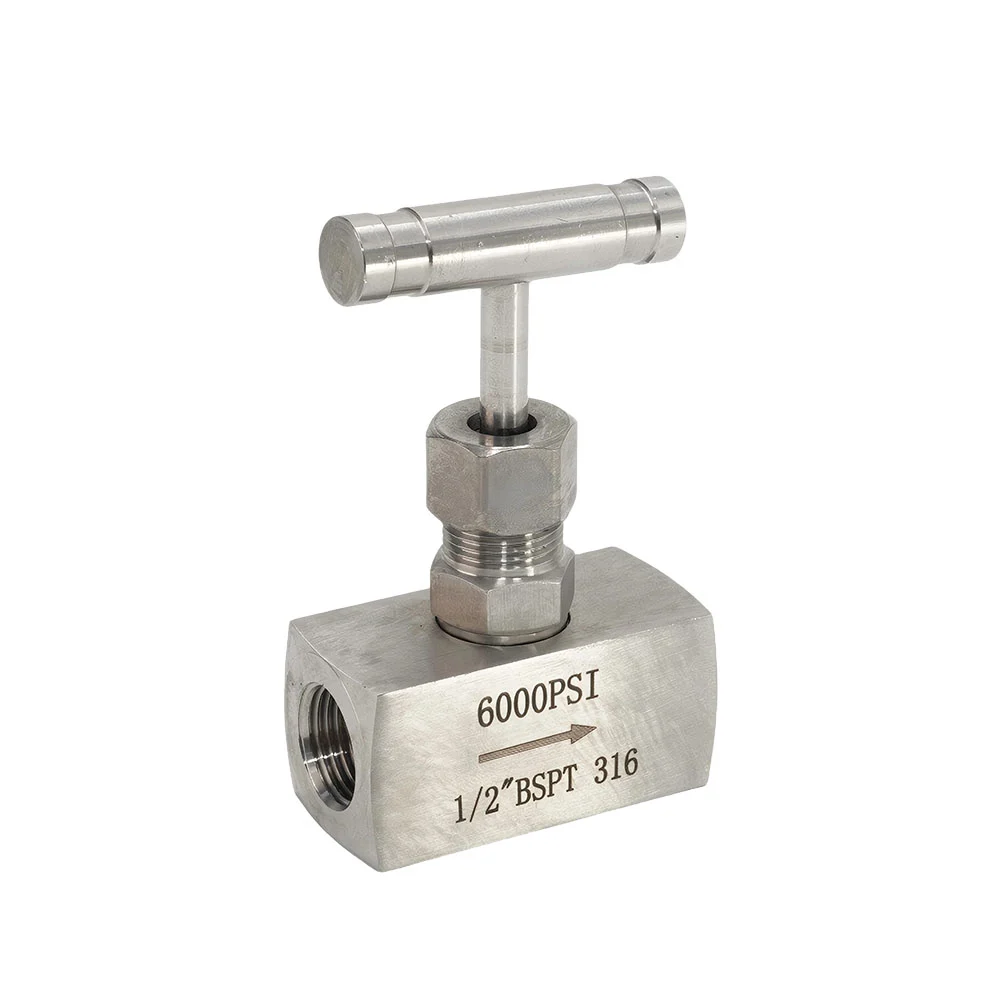
In industrial production, even slight fluctuations in flow can lead to serious issues. Whether caused by manufacturing defects or instrument reading errors, such fluctuations can potentially result in flow anomalies. When standard valves (such as ball, gate, or check valves) fall short of requirements, needle valves offer a solution specifically designed for precise flow control.
10 Aug 2026, Mon
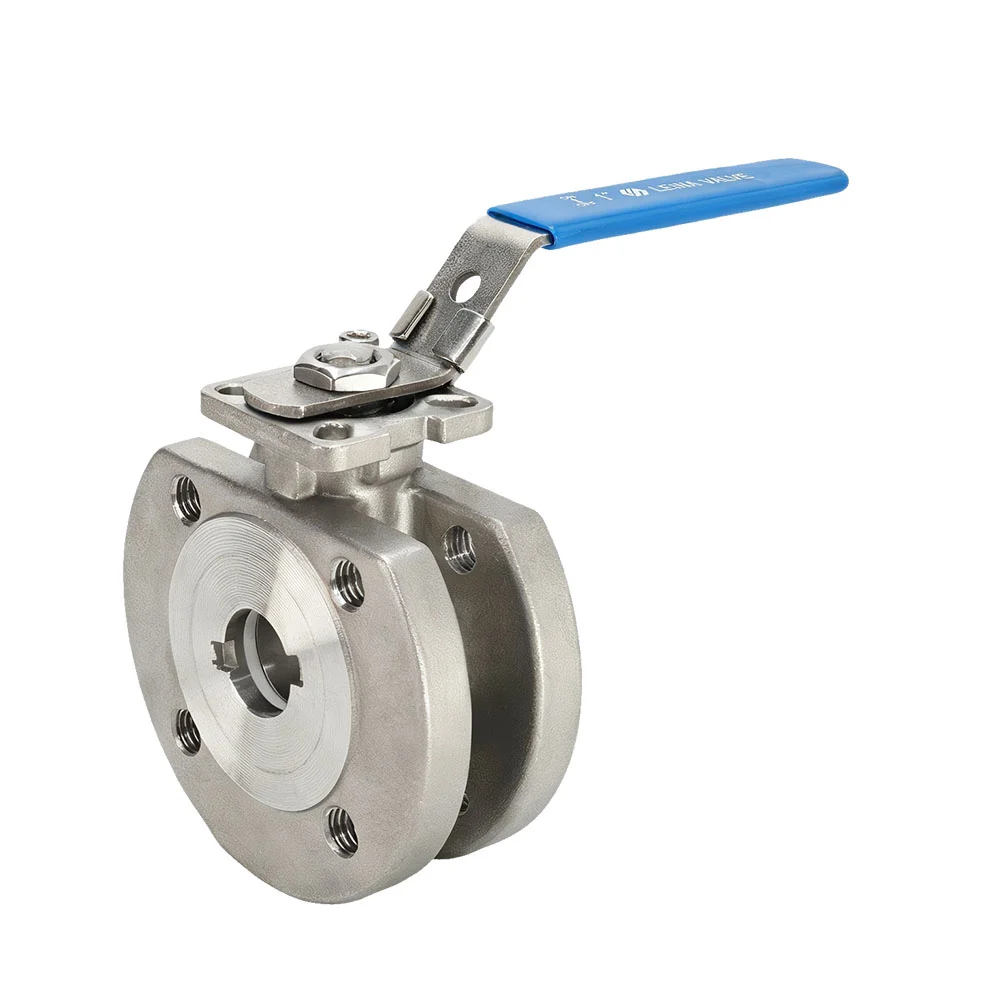
A wafer-style ball valve controls fluid flow by rotating a valve core (the ball). It is commonly used for applications such as fluid shut-off, distribution, and flow direction changes. It features a “wafer” design, meaning the valve is clamped between two pipe sections using bolts, eliminating the need for the extra space required by traditional flange connections. Thanks to its unique structural design and excellent performance, it is widely used in various piping systems.
15 Jul 2026, Wed
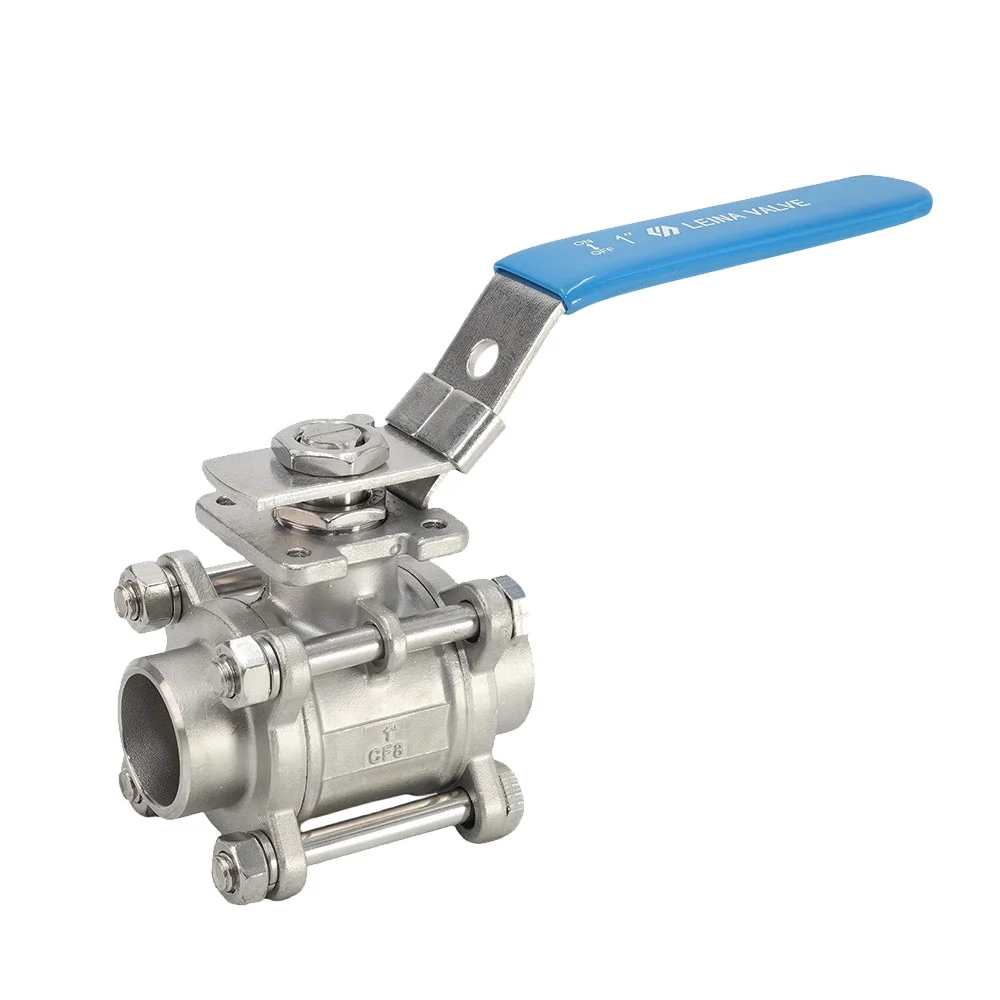
Threaded ball valves are essential components in fluid control systems. Valued for their reliable sealing, durability, and ease of operation, they are a popular choice for regulating and controlling the flow of various liquids and gases. This article provides a comprehensive overview of threaded ball valves, covering their definition, working principle, classification, and application areas.

29 Jun 2026, Mon
In the field of industrial piping systems, many professionals have likely encountered this issue: a gate valve operates normally at ambient temperature but completely fails—binding up or refusing to open entirely—once exposed to a high-temperature environment. While this may appear to be a simple equipment malfunction, the root cause is often linked to a lack of suitability in the initial selection process.
10 Jan 2025, Fri
Find the intersection point of the flow rate V L/min and the pressure loss ∆P MPa (usually 0.02 MPa to 0.03 MPa) on the pressure loss chart for the strainer. The nominal size line above the intersection point represents the required nominal size.
When the fluid to be used is different from water in viscosity and specific gravity:
Take any of each nominal size from pressure loss chart (for water) in each product, and calculate the pressure loss at that point using the expression shown below. Draw a line of the same gradient as water’s nominal size line. Then, find the required nominal size as When the filter element and the filter screen are different:
Pressure loss seldom changes even if our perforated sheet and filter screen are replaced. However, fine ones and coarse ones are different in the state and progression of clogging. Set a higher safety factor for a finer one.
How to calculate the pressure loss of a strainer:
Find the intersection point of the nominal size line and the flow rate on the chart. The ∆P value at the intersection point is the pressure loss of the strainer.
26 Sep 2024, Thu
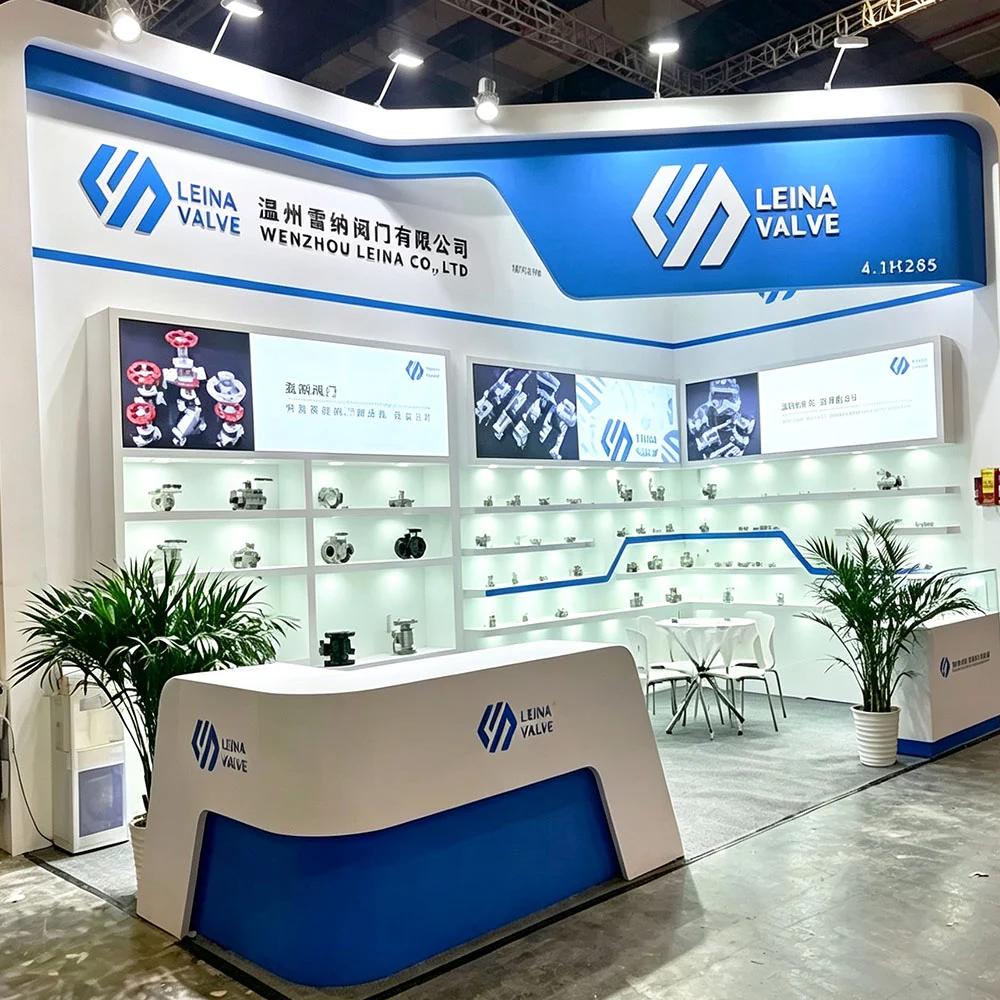
We had attend to FLOWTECH CHINA (SHANGHAI ) 2021 exhibition from 2nd June to 4th June 2021. Our booth number is 4.1 H365.
08 Apr 2024, Mon
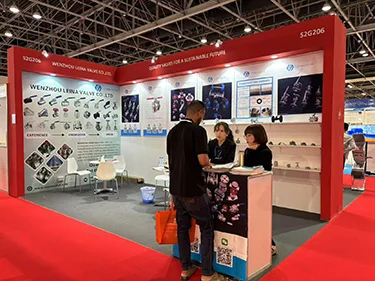
From December 17th to 19th 2024, we participated in a major exhibition in Dubai, UAE, at booth S2G206. The event was a great opportunity to promote our products and expand our presence in the global market.