

Differences Between Globe Valves and Check Valves: Operating Principles and Applications
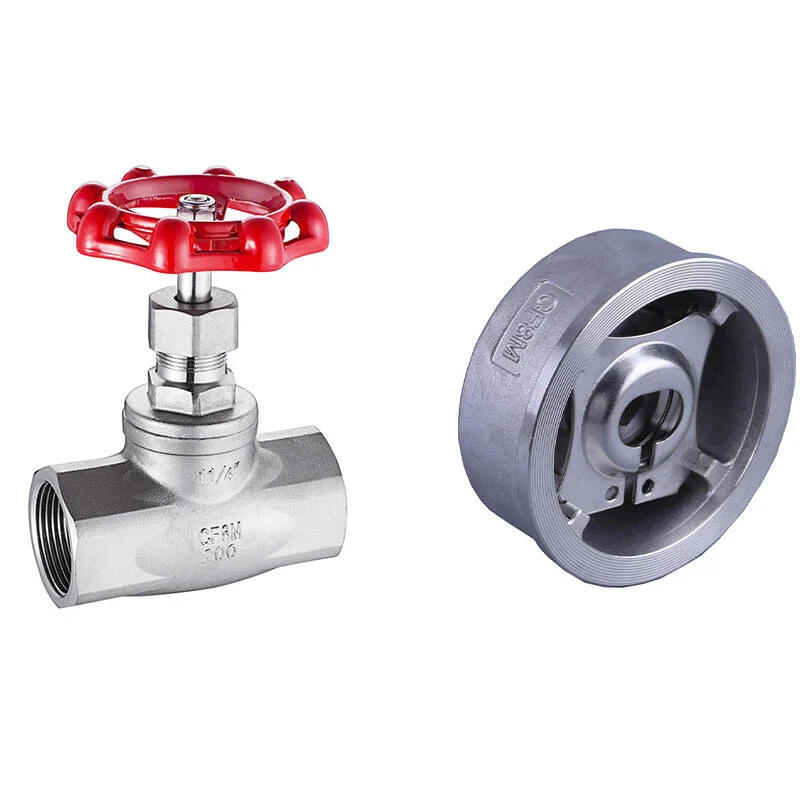
Valves are indispensable components in many fluid-handling applications. They are used to regulate flow, control pressure, and prevent backflow. Available in a wide variety of types and specifications, each serves a distinct function.Understanding the differences between various valve types helps in selecting the most appropriate one for a given application. This blog post explores the distinctions between check valves and globe valves, focusing on their operating principles and areas of application.
Beginner’s Guide: The Differences Between Globe Valves, Ball Valves, and Gate Valves
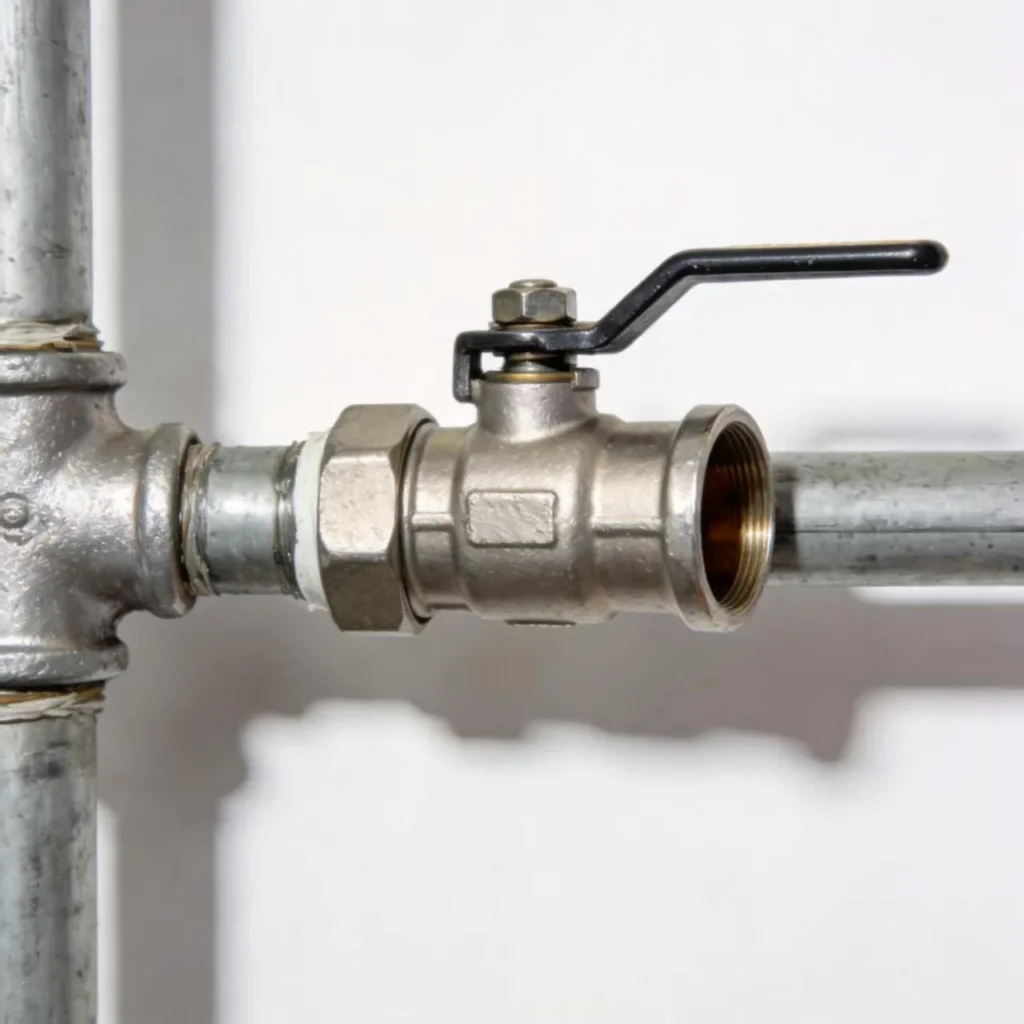
Industrial valves come in many types, and choosing the right type of valve can help improve production efficiency and ensure worker safety. Before selecting the right valve, it’s crucial to understand the differences between various valves.
What You Should Know About Needle Valves
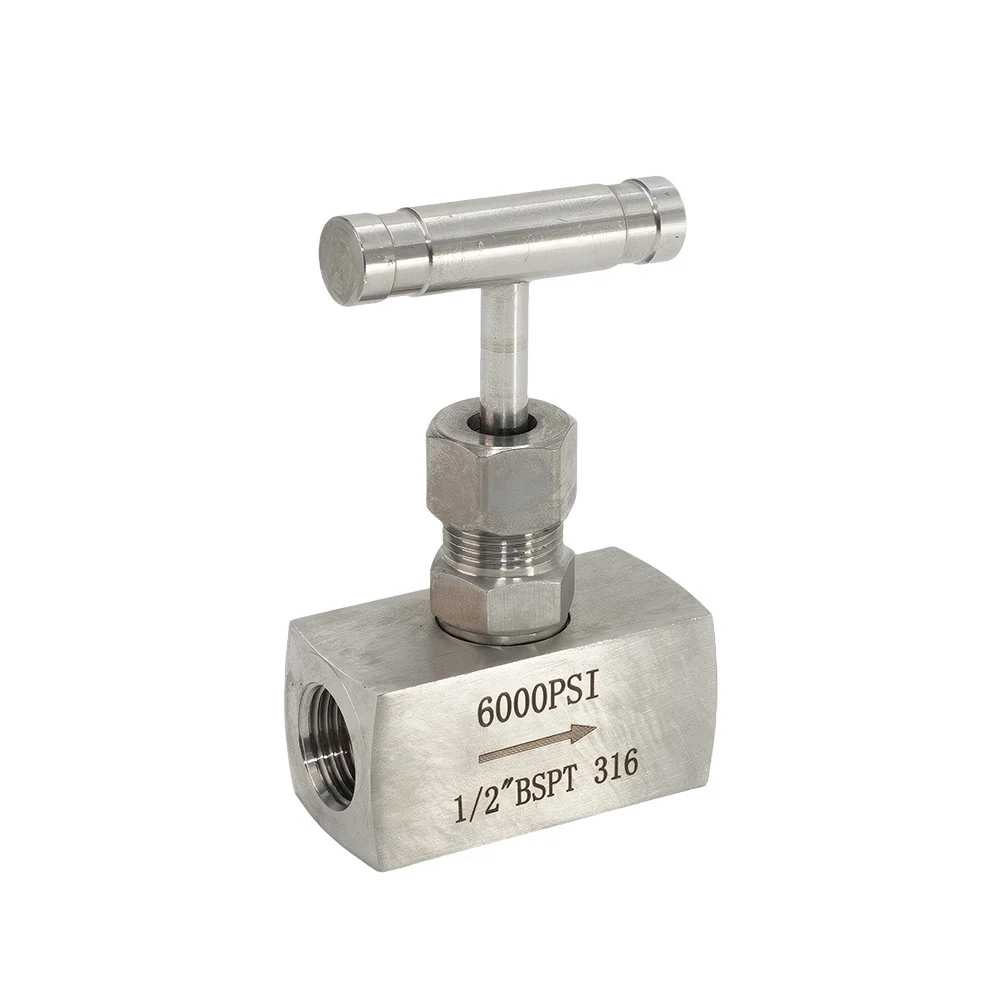
In industrial production, even slight fluctuations in flow can lead to serious issues. Whether caused by manufacturing defects or instrument reading errors, such fluctuations can potentially result in flow anomalies. When standard valves (such as ball, gate, or check valves) fall short of requirements, needle valves offer a solution specifically designed for precise flow control.