

Unlike standard ball valves, flanged ball valves are distinguished by the use of flanges at their inlet and outlet ports rather than threaded or welded connections. These flanges bolt directly to matching flanges on the pipeline, creating a connection structure that is robust, highly sealed, and easy to maintain.
This design makes flanged ball valves an ideal choice for demanding industrial conditions, with applications ranging from high-pressure steam lines to the handling of corrosive chemicals.
Advantages of Flanged Ball Valves
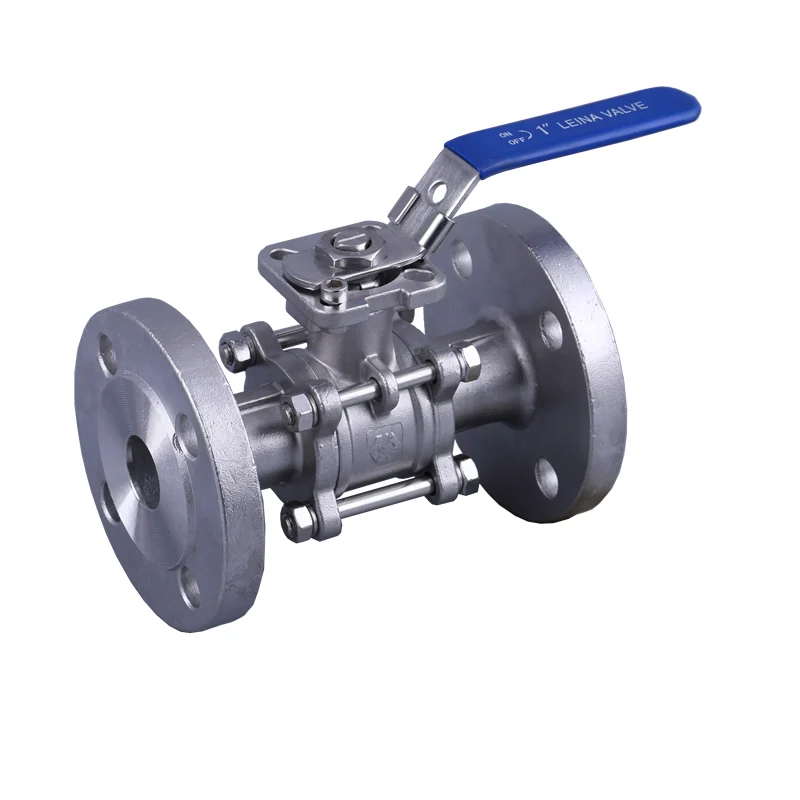
Equipping ball valves with flanges significantly enhances installation compatibility, structural reliability, and ease of maintenance, making it the most widely used connection method in industrial piping systems.
Installation and Compatibility Advantages
Flanged ball valves compliant with standards such as GB, ANSI, and DIN can connect directly to pipeline flanges of the same standard. Products from different manufacturers can be combined flexibly, significantly reducing compatibility costs. Installation requires no specialized welding equipment or certified welders; simply aligning the flanges and tightening the bolts completes the connection, resulting in a much shorter installation time compared to welding.
Structural and Pressure-Bearing Advantages
The valve body and flanges are typically forged as a single unit. With large contact surfaces and evenly distributed bolt points, they effectively disperse pipeline stress and vibration loads, accommodating pressure ratings from 1.0 MPa to 50 MPa. Uniform bolting compresses the flange gasket to create a face seal, offering superior resistance to pipeline tension and torque compared to wafer-style or threaded connections; this minimizes the risk of joint leakage in main pipelines subject to high temperatures, high pressures, or frequent pressure fluctuations.
Maintenance and Lifecycle Advantages
When inspecting or replacing valve components, the valve can be quickly disassembled by simply loosening the flange bolts without disrupting the integrity of the pipeline structure, thereby significantly reducing maintenance costs and system downtime. With sizes ranging from DN6 to DN900 and temperature compatibility from -196°C to 650°C, these valves meet the fluid control needs of the vast majority of industrial sectors, including petroleum, chemicals, power generation, and municipal water utilities.
Key Applications of Flanged Ball Valves
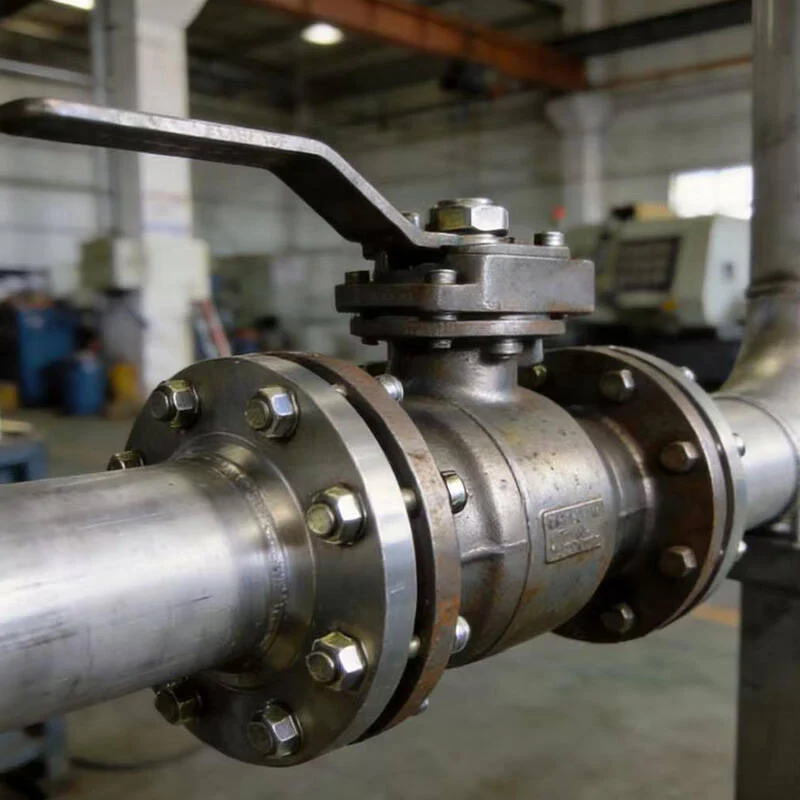
- Oil and Gas: Flanged ball valves are critical in the oil and gas sector, used to regulate the transport of oil, natural gas, and other hydrocarbons.
- Chemical Processing Systems: Valves manufactured from various materials—such as stainless steel or those with PTFE lining—are essential for controlling the flow of corrosive and hazardous chemicals.
- Water Treatment: Capable of withstanding wear in humid environments; the full-bore design minimizes pressure loss and enhances the operational efficiency of water treatment systems.
- Power Plants: Flanged ball valves are used to control the flow of steam and cooling water, ensuring efficient and safe power generation operations.